A forklift bearing is a heavy-duty bearing fitted inside a forklift's mast rollers, wheels, king pin, or tilt cylinder, letting these parts turn or slide smoothly under a loaded pallet. It is built stronger than a standard bearing so it can take repeated shock, heavy point load, and long shifts on warehouse or yard floors.
Every moving part on a forklift carries weight — mast rollers slide under a loaded pallet, wheels turn under the machine's own mass, and the tilt cylinder pivots each time the mast leans forward or back. A bearing sitting at any of these points wears out fast unless it is picked correctly for the load and the ground it works on. That is why Shree Balaji Export keeps a ready stock of forklift bearings for buyers running lift trucks in Sri Lanka, South Africa, the UAE, Nigeria, Egypt, Indonesia, Thailand, and Kuwait. Share your forklift model or bearing part number with our team, and we will confirm the right match before you place an order. See our complete bearing range at Shree Balaji Export.
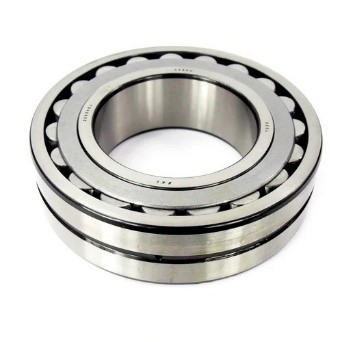
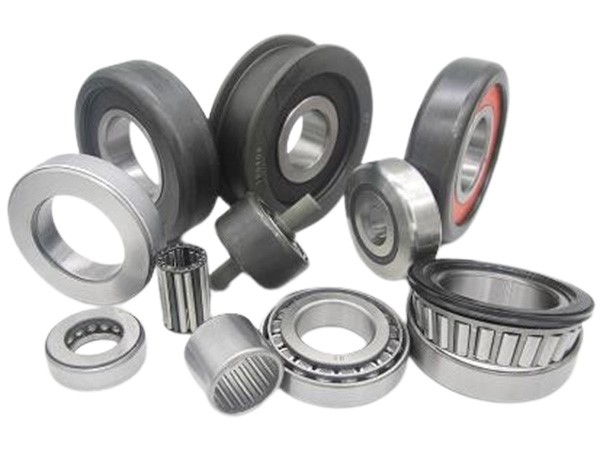
Product Specification
| Cage Material | Steel |
|---|---|
| Inside Diameter | As per model |
| Thickness | Standard |
| Retainer | Steel |
| Bearing Type | Forklift Bearing BBH |
| Structure | Deep Groove |
| Seals Type | Double Seal |
| Number Of Rows | Single Row |
| Bore Size | Min. 20 mm |
| Limiting Speed | High Speed Rated |
| Load Capacity | Heavy Duty |
What Is a Forklift Bearing?
A forklift bearing sits inside the wheels, mast rollers, king pin, or tilt cylinder of a lift truck, holding these moving parts steady as they carry heavy loads. Unlike a bearing in a fan or motor that mostly spins at one steady speed, a forklift bearing faces repeated stop-start movement and sudden shock loading every time a pallet is picked up or set down.
Most forklift bearings are deep groove ball bearings, cylindrical roller bearings, tapered roller bearings, or needle roller bearings, chosen based on how much radial load, thrust load, or shock each fitting point must handle. A mast roller bearing, for instance, usually has a thick outer race that can take side knocks when the load sits slightly off-centre.
Some forklifts also pair a roller bearing with a thrust washer at the king pin or tilt cylinder pivot, so one compact part can handle both a turning motion and a push-pull force at the same time.
Forklift Bearing vs Standard Bearing: What Is the Difference?
A standard bearing in a fan, pump, or conveyor mostly deals with steady, one-direction spinning under light load. A forklift bearing has to survive sudden shock loads, frequent starts and stops, and heavy point loads from lifting, so it is usually made with a hardened race, closer control on internal clearance, and often a sealed or shielded design to keep out warehouse dust and grit.
Types of Forklift Bearings
Forklift bearings are grouped by where they sit on the machine and what kind of load they carry:
- Mast Roller Bearing: Fitted inside the rollers that guide the mast up and down, this bearing takes steady vertical load plus some side thrust whenever the load is off-centre. A cylindrical roller design is common here, giving a wide contact area for heavy lifting.
- King Pin Bearing:Sits at the steering pivot of the forklift's axle, letting the wheel turn left and right under the machine's full weight. Space around the pin is tight, so a needle roller bearing is often used to fit more load capacity into a small footprint.
- Tilt Cylinder Bearing: Supports the pivot point where the tilt cylinder joins the mast, absorbing the push-pull force every time the mast leans forward or back to pick up or place a load.
- Wheel Hub Bearing: Carries the forklift's own weight plus whatever it is lifting, fitted inside the drive or steer wheel hub. It is built for high radial load at low, steady speed rather than fast spinning.
- Lift Chain Sheave Bearing: Fitted inside the pulley the lift chain runs over, this bearing takes constant radial pull as the chain raises and lowers the forks through every cycle.
Forklift Bearing: Part Numbers, Sizes & Applications
The table below lists common forklift bearing types, their usual size range, and where each one is typically fitted. Share your forklift model or shaft size with our team for an exact match.
| Part Number | Bore (mm) | Outer Dia. (mm) | Width (mm) | Bearing Type | Typical Application |
|---|---|---|---|---|---|
| NUP 2208 | 40 | 80 | 23 | Cylindrical Roller Bearing | Mast roller, forklift lift mechanism |
| 32208 | 40 | 80 | 24.75 | Tapered Roller Bearing | Drive wheel hub, forklift front axle |
| NA 4903 | 17 | 30 | 13 | Needle Roller Bearing | King pin steering pivot |
| 51208 | 40 | 68 | 19 | Thrust Ball Bearing | Tilt cylinder pivot point |
| 6210 2RS | 50 | 90 | 20 | Sealed Deep Groove Ball Bearing | Lift chain sheave pulley |
| 30206 | 30 | 62 | 17.25 | Tapered Roller Bearing | Steer axle wheel bearing |
Benefits of Choosing the Right Forklift Bearing
- Handles Heavy Shock Loads: A bearing rated for lifting duty absorbs sudden knocks instead of cracking under them.
- Keeps Downtime Low: The right bearing at each fitting point means fewer mid-shift breakdowns on the warehouse floor.
- Runs Smooth Under Full Load: Correct sizing and clearance keep the mast and wheels moving evenly even at full capacity.
- Withstands Dust and Grit: Sealed or shielded bearings keep warehouse dust and yard grit away from the rolling parts.
- Matches OEM Fit: Standard bore, outer diameter, and width sizes make replacement straightforward.
- Supports Longer Service Life: A bearing matched to its load point simply lasts longer between changes.
Forklift Bearing Needs Across Our Export Markets
- Sri Lanka & Indonesia: Warehouse humidity here calls for mast roller and hub bearings packed with grease that resists washing out, plus a sealed design against moisture.
- UAE & Kuwait: Heat and fine desert dust are the main challenge, so sealed bearings paired with a high-temperature grease keep king pin and wheel hub points turning freely.
- South Africa & Nigeria: Mining yards and farm depots often mean rough, uneven ground, so mast roller and tilt cylinder bearings need to absorb repeated shock without cracking.
- Egypt & Thailand: Ports and food-processing yards often need corrosion-resistant bearings for forklifts working near water or wash-down areas.
- Worldwide: Wherever a forklift runs double shifts, matching the bearing type and grease grade to the load and ground condition is what keeps it lifting without a mid-shift breakdown.
How to Select the Right Forklift Bearing
- Check the Load Point: A mast roller, king pin, wheel hub, and tilt cylinder each carry a different mix of radial and thrust load.
- Match Bore, Outer Diameter, and Width: These sizes must match the forklift's shaft and housing exactly for a correct, safe fit.
- Consider the Ground Conditions: Dusty, muddy, or wet work sites call for a sealed or shielded bearing over an open type.
- Plan for Load Capacity and Duty Cycle: A forklift running heavy loads for long shifts needs a bearing rated for that level of use.
Common Mistakes to Avoid When Choosing a Forklift Bearing
- Fitting a Light-Duty Bearing at a Heavy-Duty Point: This leads to early cracking under shock load.
- Ignoring the Shock Load Rating: A bearing rated only for steady spinning fails fast under repeated lifting impact.
- Using the Wrong Grease for Dusty Sites: Standard grease can wash or wear out quickly in gritty conditions.
- Skipping the OEM Size Check: A close-but-not-exact size can loosen over time and damage the housing.
Simple Maintenance Tips for Longer Life
Check mast rollers and wheel hubs for play or looseness during routine service, since this often signals a worn bearing. Listen for a grinding or clicking sound as the mast lifts or the forklift turns, which usually means a bearing is running dry or damaged. Keep to the recommended greasing schedule, and replace a forklift bearing promptly once noise or play appears, since a worn bearing left in place can damage the shaft or housing around it.
Need dependable forklift bearings for your fleet? Get a fast export quote from Shree Balaji Export — trusted delivery to Sri Lanka, South Africa, UAE, Nigeria, Egypt, Indonesia, Thailand, Kuwait, and worldwide.
Frequently Asked Questions
It supports the moving parts of a forklift — mast rollers, wheels, king pin, and tilt cylinder — keeping them steady under heavy, repeated lifting loads.
A forklift bearing is built to take shock loads and heavy point loads from lifting, with a hardened race and often a sealed design, while a normal bearing mainly handles steady, light-duty spinning.
Mast rollers most often use a cylindrical roller bearing, since its wide contact area suits the steady vertical load of a rising and lowering mast.
Not always, but a sealed or shielded bearing is strongly recommended on dusty, muddy, or wet worksites to keep grit and moisture away from the rolling parts.
Shree Balaji Export supplies forklift bearings to Sri Lanka, South Africa, the UAE, Nigeria, Egypt, Indonesia, Thailand, Kuwait, and other markets worldwide, with complete export documentation.
Common signs include play or looseness at the mast rollers or wheel hub, a grinding or clicking sound during lifting or turning, and uneven mast movement under load.
 Shree Balaji Exports
Specialize in delivering top-quality bearings and related solutions to meet the diverse needs of various industries.