A sleeve bearing (also called a bush or plain bearing) is a simple cylindrical sleeve that lets a shaft slide and rotate smoothly inside it, without using any balls or rollers. It works quietly, handles heavy load, and costs less than a ball bearing.
Shree Balaji Export manufactures and exports sleeve bearings and other precision bearing products to buyers across Sri Lanka, South Africa, the UAE, Nigeria, Egypt, Indonesia, Thailand, and Kuwait. Every batch is checked for correct fit, material grade, and finish before it leaves the factory, so distributors and workshops receive parts that install right the first time. Backed by an experienced export team, Shree Balaji Export handles documentation and shipping so your order reaches you without delay, wherever you are.
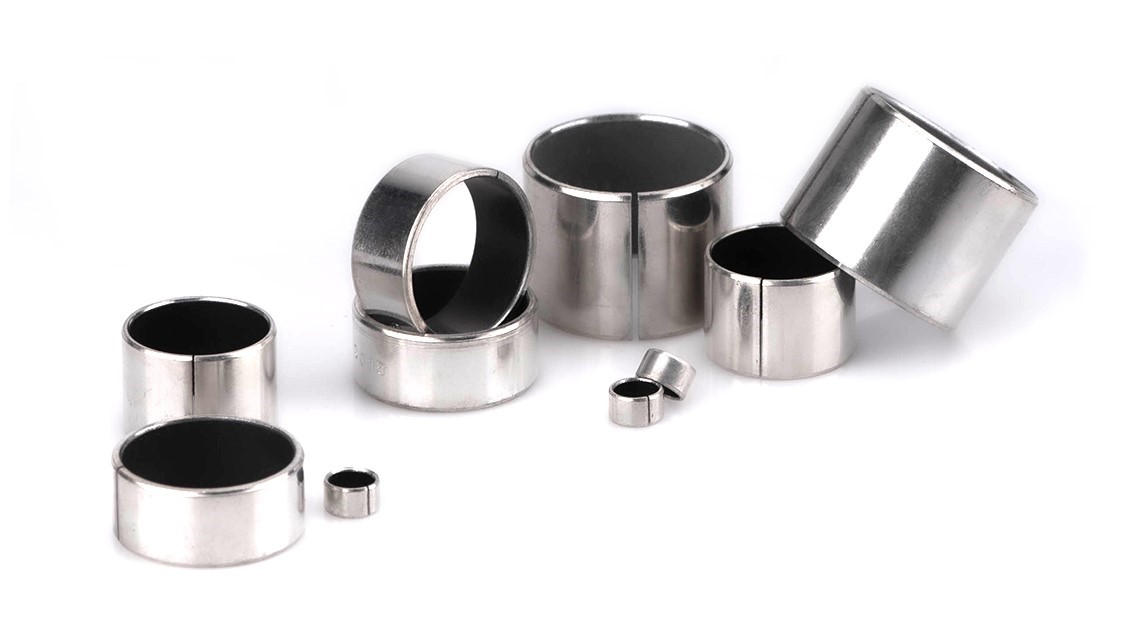
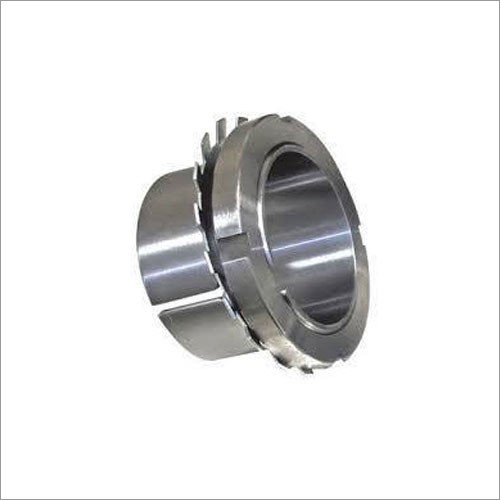
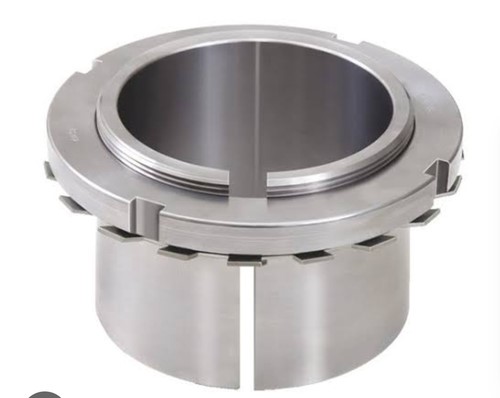
Sleeve Bearings Size Chart
| Bearing No. | d (mm) | D (mm) | L (mm) |
|---|---|---|---|
| DU 0606 | 6 | 8 | 6 |
| DU 0806 | 8 | 10 | 6 |
| DU 1006 | 10 | 12 | 6 |
| DU 1206 | 12 | 14 | 6 |
How Does a Sleeve Bearing Work?
A sleeve bearing does not use balls or rollers. It is just a smooth, hollow cylinder (a sleeve) fitted around the shaft or inside a housing. The shaft turns directly against the inner wall of the sleeve. A thin film of oil or grease — or a self-lubricating material built into the sleeve itself — keeps the two surfaces from grinding against each other. Because there are no moving parts inside the bearing, a sleeve bearing runs quietly and can carry a heavy load in a small, compact space.
Types of Sleeve Bearings
Sleeve bearings are usually grouped by the material they are made from, since the material decides how the bearing handles heat, load, and lubrication:
- Oil-Impregnated Sintered Bronze Sleeves: These sleeves are made from powdered bronze that is pressed and heated to leave tiny pores inside the metal. The pores are filled with oil at the factory, so the bearing lubricates itself slowly as it runs. This type is common in small motors, fans, and pumps that run for long hours without regular maintenance.
- Solid Bronze or Brass Bushings: These are solid, machined sleeves used where the load is heavy and the shaft speed is low to medium. They need an outside source of grease or oil but can carry more load than the oil-impregnated type.
- Bimetal Sleeve Bearings: A bimetal sleeve has a strong steel outer shell with a thin layer of bronze or another bearing metal bonded to the inside surface. This gives the strength of steel with the smooth, low-friction surface of bronze, at a lower cost than a solid bronze part.
- Self-Lubricating Polymer Sleeves: Made from materials like nylon, acetal, or PTFE-filled compounds, these sleeves need no added grease at all. They resist rust, work well in wet or dusty places, and are often used in food, water, and outdoor equipment.
- Split (Two-Piece) Sleeve Bearings: These bearings are made in two halves that clamp around the shaft. They are used where the sleeve must be removed for service without taking the whole shaft out of the machine, such as in large pump and engine assemblies.
Sleeve Bearing vs Ball Bearing: Key Differences
Buyers often ask whether to choose a sleeve bearing or a ball bearing for a project. Here is a simple, side-by-side look:
| Point | Sleeve Bearing | Ball Bearing |
|---|---|---|
| Moving parts | None — shaft slides directly | Balls roll between two rings |
| Noise level | Very quiet | Slightly more noise at speed |
| Load capacity | High, in a small size | Good, but needs more space for same load |
| Cost | Lower | Higher |
| Best for | Low to medium speed, high load | High speed, precision rotation |
Sleeve Bearing Uses Across Our Export Markets
Sleeve bearings are used in many everyday machines. Here is a quick look at where they are commonly needed in our main export countries:
| Country | Where Sleeve Bearings Are Commonly Used |
|---|---|
| Sri Lanka | Rice and tea processing machinery, water pump shafts, small electric motors |
| South Africa | Mining conveyor idlers, agricultural equipment pivots, workshop tools |
| UAE | HVAC blower motors, building service pumps, elevator and door mechanisms |
| Nigeria | Generator sets, water borehole pumps, workshop and garage machinery |
| Egypt | Textile looms, irrigation pump drives, food processing conveyors |
| Indonesia | Palm oil mill equipment, small motors, agricultural machinery |
| Thailand | Rice mill rollers, packaging machinery, automotive workshop tools |
| Kuwait | Industrial fans, cooling systems, oil and gas support equipment |
Why Choose a Quality Sleeve Bearing
-
1. Quiet, Smooth Running: Because there are no balls or rollers to click and turn, a sleeve bearing runs almost silently. This matters for office equipment, HVAC fans, and appliances used in Kuwait and the UAE.
2. Handles Heavy Load in Small Space: A sleeve bearing spreads load over a larger contact surface, so it can carry a heavy shaft load even in a compact size. This suits agricultural and mining equipment across South Africa and Nigeria.
3. Lower Cost, Simple to Replace: Sleeve bearings have a simple design with fewer parts, so they cost less to buy and are easy to fit during routine maintenance in workshops across Thailand and Indonesia.
4. Works Well in Dusty or Wet Conditions: Self-lubricating polymer sleeves resist rust and keep working even when dust or moisture gets in, which is useful for outdoor pumps and farm machinery in Sri Lanka and Egypt.
5. No Sudden Fatigue Failure: Unlike rolling-element bearings, a sleeve bearing wears down slowly and gives early warning signs before it fails, giving maintenance teams time to plan a replacement.
How to Pick the Right Sleeve Bearing
Choosing the correct sleeve bearing is simple once you know four basic details about your application:
- Shaft Size: Measure the exact shaft diameter. The sleeve's inner size must match the shaft closely for smooth running.
- Load and Speed: Heavy, slow-moving shafts suit solid bronze or bimetal sleeves. Light, fast-moving shafts often suit oil-impregnated or polymer sleeves.
- Operating Environment: For wet, dusty, or corrosive areas, choose a self-lubricating polymer sleeve. For clean indoor machinery, bronze or bimetal sleeves work well.
- Maintenance Access: If the bearing is hard to reach for greasing, choose an oil-impregnated or self-lubricating type that needs little to no attention.
Get a fast sleeve bearing export quote from Shree Balaji Export — reliable supply to Sri Lanka, South Africa, UAE, Nigeria, Egypt, Indonesia, Thailand, and Kuwait.
Frequently Asked Questions
Yes. "Sleeve bearing," "bush," and "bushing" all refer to the same simple cylindrical bearing that lets a shaft slide and turn without balls or rollers inside it.
It depends on the type. Solid bronze and brass sleeves usually need periodic greasing. Oil-impregnated and self-lubricating polymer sleeves are designed to run for years without any added lubricant.
Sleeve bearings work best at low to medium speed. At very high speed, a ball or roller bearing usually runs cooler and lasts longer, so it is often the better choice for high-speed applications.
A correctly sized sleeve bearing, kept clean and properly lubricated, can run for several years. Life depends on shaft speed, load, and how well the bearing is protected from dust and moisture.
Shree Balaji Export ships sleeve bearings and other precision bearing products to Sri Lanka, South Africa, the UAE, Nigeria, Egypt, Indonesia, Thailand, Kuwait, and other markets, supporting both bulk distributor orders and smaller spare-parts orders.
Watch for a grinding or squeaking sound, visible play or wobble in the shaft, extra heat at the bearing housing, and a burnt smell from dry running. Any of these signs mean the sleeve should be inspected and replaced soon.
 Shree Balaji Exports
Specialize in delivering top-quality bearings and related solutions to meet the diverse needs of various industries.